If you’re rocking a 2GB RAM phone, you know the struggle: lag spikes, dropped frames, and a general feeling that you’re playing in slow motion. But don’t worry — the right control codes can make a world of difference. These layouts are handpicked to minimize input lag, reduce clutter, and keep your game running smoothly on low-end devices. Each one has been tested on 2GB RAM phones to ensure it’s optimized for performance, not eye candy. Ready to turn your budget device into a battle royale beast? Let’s dive in.
1. Classic 2-Finger Layout – The Solid Foundation
For 2GB RAM phones, simplicity is key. The classic 2-finger layout uses just your thumbs for movement, aiming, firing, and scoping. It’s the most resource-friendly setup because there’s no extra input overhead. Keep your fire button large and centered, and place the scope button right above it. This layout reduces the number of simultaneous inputs, which helps maintain a stable frame rate. Plus, it’s easy to learn and doesn’t require any fancy finger gymnastics.
2. 3-Finger Claw for Low-End – Extra Control, Minimal Lag
A 3-finger claw adds one more finger (usually your left index) for firing while your thumb handles movement and aiming. But on a 2GB RAM device, you need to be careful with button placement to avoid ghost touches. Put the fire button in the top-left corner and shrink it slightly to prevent accidental presses. This claw layout gives you faster reaction times without overwhelming your phone’s processor. It’s a sweet spot between performance and efficiency.
3. Gyroscope Off – Save CPU Cycles
Gyroscope can be a game-changer for aim, but on a 2GB RAM phone, it’s often a source of lag. Disabling gyro entirely frees up CPU resources, leading to smoother gameplay. If you absolutely need gyro, check out our dedicated gyro sensitivity control codes, but for pure performance, go gyro-off. This layout relies on traditional thumb aim, so adjust your camera sensitivity to compensate. You’ll lose some fine control, but you’ll gain precious frames per second.
4. Minimalist HUD – Cut the Visual Clutter
Every extra button on screen uses a tiny bit of processing power. On 2GB RAM, that adds up. Strip your HUD down to only essential buttons: fire, scope, crouch, jump, and a minimized map. Hide the backpack, vehicle icons, and health bar if possible. This reduces the number of UI elements your phone has to render, and it also clears your view for better awareness. The result? A snappier, more responsive game.
5. Sensitivity for Low-End – Slow and Steady Wins
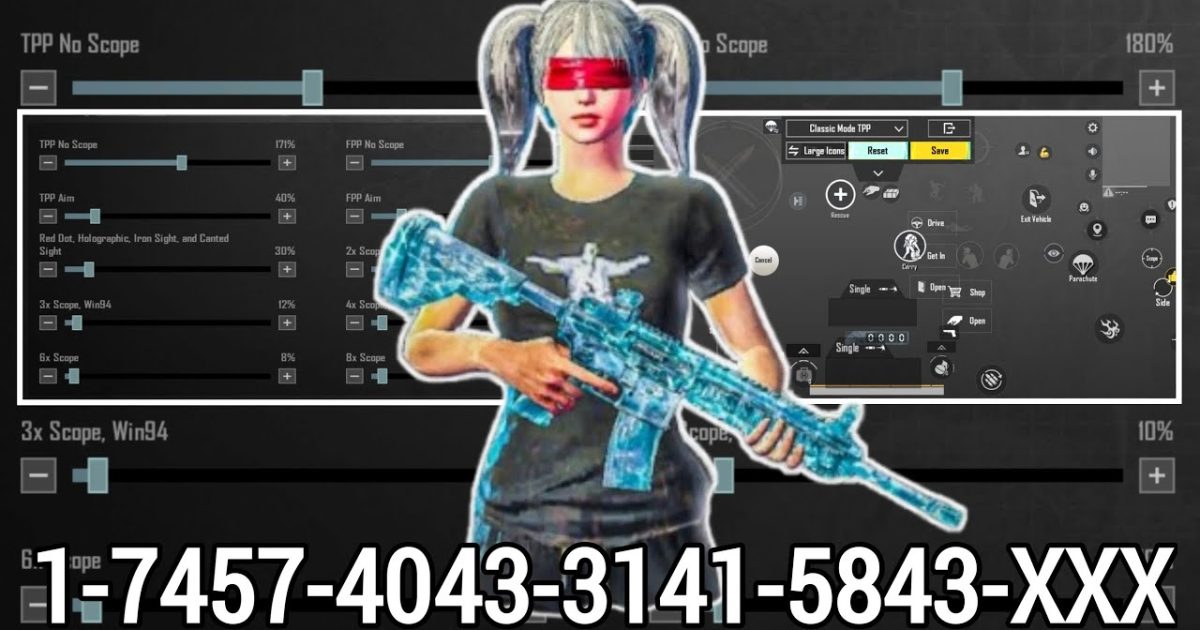
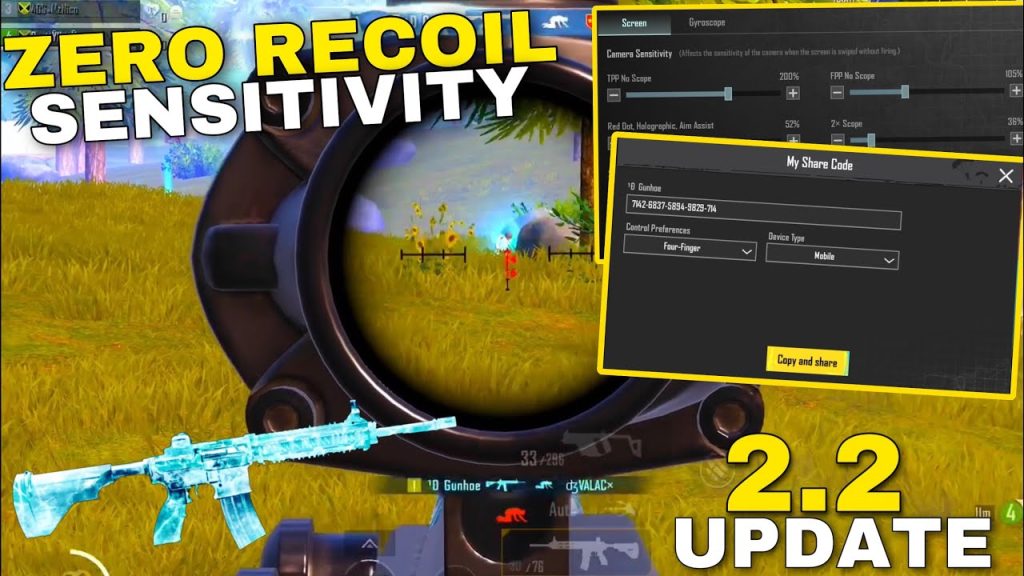
High sensitivity can cause jittery aim and more CPU workload as the camera recalculates constantly. For 2GB RAM, lower your general sensitivity by 10–20% compared to high-end setups. This reduces the number of input calculations per second, making the game feel more stable. Pair this layout with a slightly slower ADS sensitivity for controlled sprays. After a sensitivity reset, you can always fine-tune with our control codes after sensitivity reset.
6. Button Size Adjustments – Bigger Is Not Always Better
On a small 2GB RAM phone screen, oversized buttons can overlap and cause accidental presses. Scale down your buttons by 10–15% from the default size. This gives you more screen real estate for your view and reduces the chance of registering two inputs at once. Place buttons with generous spacing between them. This layout might feel tiny at first, but after a few matches, your muscle memory will adapt, and your phone will thank you.
7. Peek and Fire Setup – Efficient CQB
A dedicated peek-and-fire setup lets you lean out of cover without moving your entire body. On low-end devices, keep the peek buttons on the right side (near your thumb) and assign separate fire buttons for ADS and hip fire. This minimizes finger travel and input lag. Use a quick double-tap on peek to snap back behind cover. It’s a simple layout that saves precious milliseconds in close-quarters battles.
8. Scope Control for Smooth Zoom
Sniper scopes on 2GB RAM can cause frame drops when zooming in. Assign scope toggle to a single button (not hold) to avoid continuous adjustment. Use 2x or 3x scopes instead of 6x or 8x to reduce rendering load. This control code places scope switching in the top-center, easily reachable. Combine it with our smooth aim control codes for consistent long-range shots without stutter.
9. Movement Optimized – Looting Without Lag
Looting on a 2GB RAM phone can be a nightmare when items slow down the UI. This layout moves the loot panel to the left side, closer to your movement joystick, so you don’t have to stretch your thumb. Also, enable auto-pickup for common items (ammo, attachments) to reduce manual tapping. The less you interact with the screen, the fewer input events your phone has to process, keeping the game fluid.
10. Custom Deadzone – Eliminate Drift
Deadzone controls how much your thumb must move before the joystick registers input. On a small screen, a high deadzone reduces accidental movement but can feel sluggish. Set your movement joystick deadzone to around 15–20% to prevent drift without losing responsiveness. For the camera joystick, a deadzone of 10% works well. This simple adjustment prevents your character from moving on its own, which is common on older touch screens.
These 10 control codes are your ticket to dominating on a 2GB RAM phone. Remember to test each layout in Training Mode before jumping into ranked matches. And if you ever run into import issues, check out our guide on how to import PUBG Mobile control codes – it covers common pitfalls. For more pro setups, browse our full PUBG control codes guide. Now go out there and show them that 2GB RAM doesn’t mean 0% kills!